
Modern psychotherapy has its roots in the late nineteenth century, emerging at the intersection of medicine, philosophy, and early psychological science. Over the past 130–140 years, it has developed into a diverse and complex field, encompassing multiple schools of thought and clinical approaches.
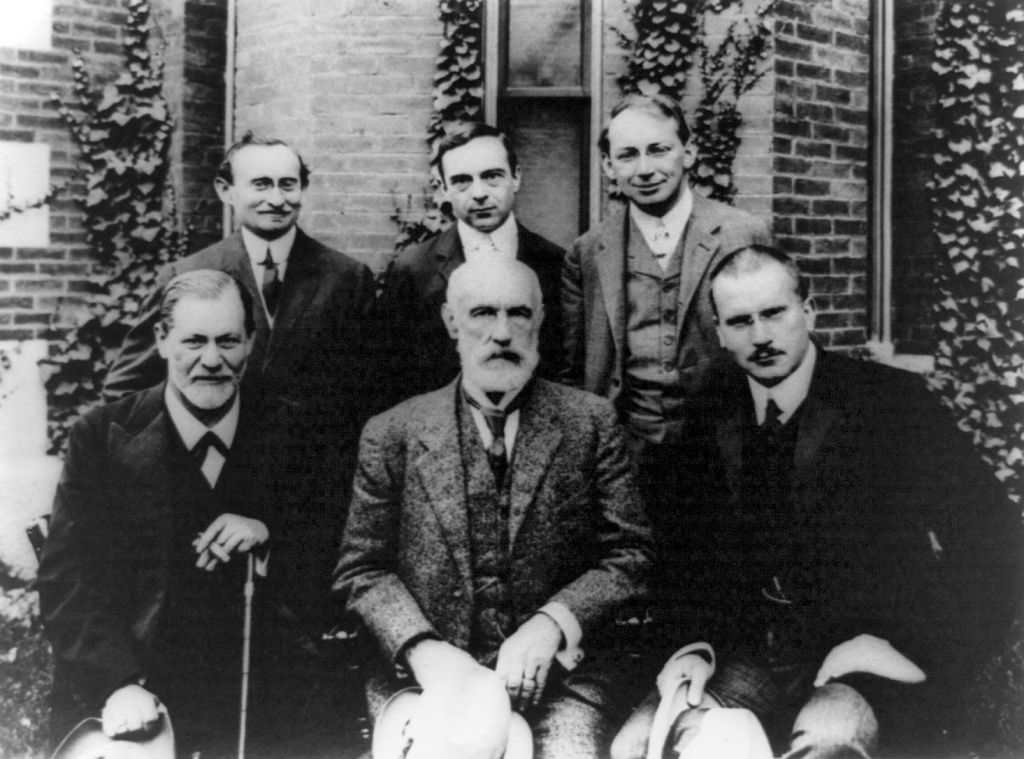
Despite this diversity, many contemporary forms of psychotherapy continue to draw, directly or indirectly, on psychoanalytic foundations.
The Origins: Freud and the Birth of Psychoanalysis
The history of psychotherapy is most commonly traced to Sigmund Freud (1856–1939), an Austrian neurologist whose work at the end of the nineteenth century fundamentally altered how emotional suffering was understood.
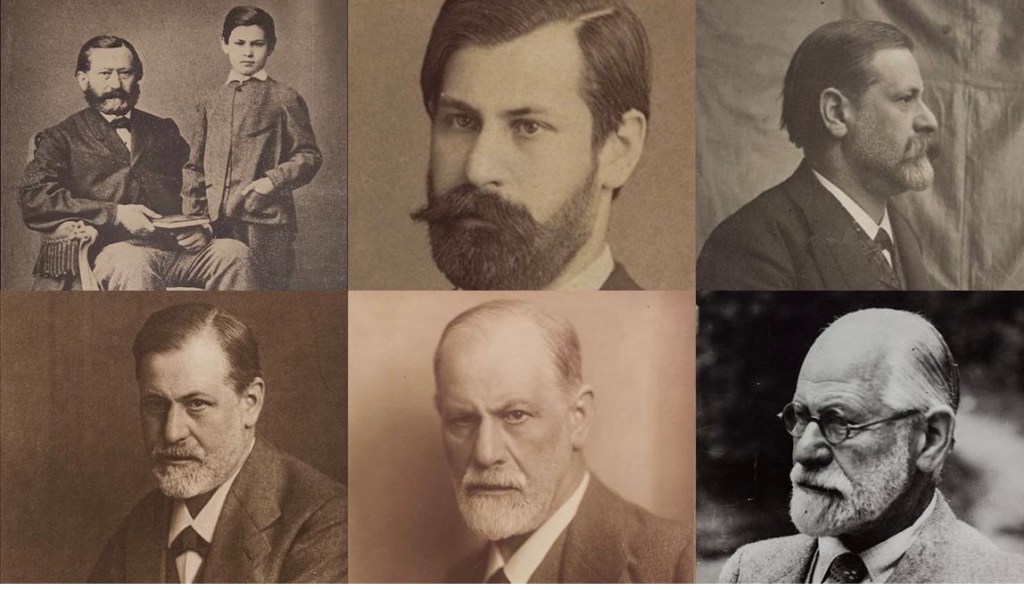
Working initially with patients presenting with what were then termed “hysterical” symptoms, Freud proposed that psychological distress could arise from unconscious conflicts, often linked to early life experiences.
His development of techniques such as free association, dream analysis, and the exploration of transference laid the foundations of psychoanalysis as both a theory of mind and a method of treatment.
Key early concepts introduced by Freud include:
- The unconscious mind
- Psychic conflict
- Defence mechanisms
- The role of childhood development
- The importance of the therapeutic relationship
By the early twentieth century, psychoanalysis had become an established clinical discipline, spreading from Vienna to Europe, Britain, and the United States.
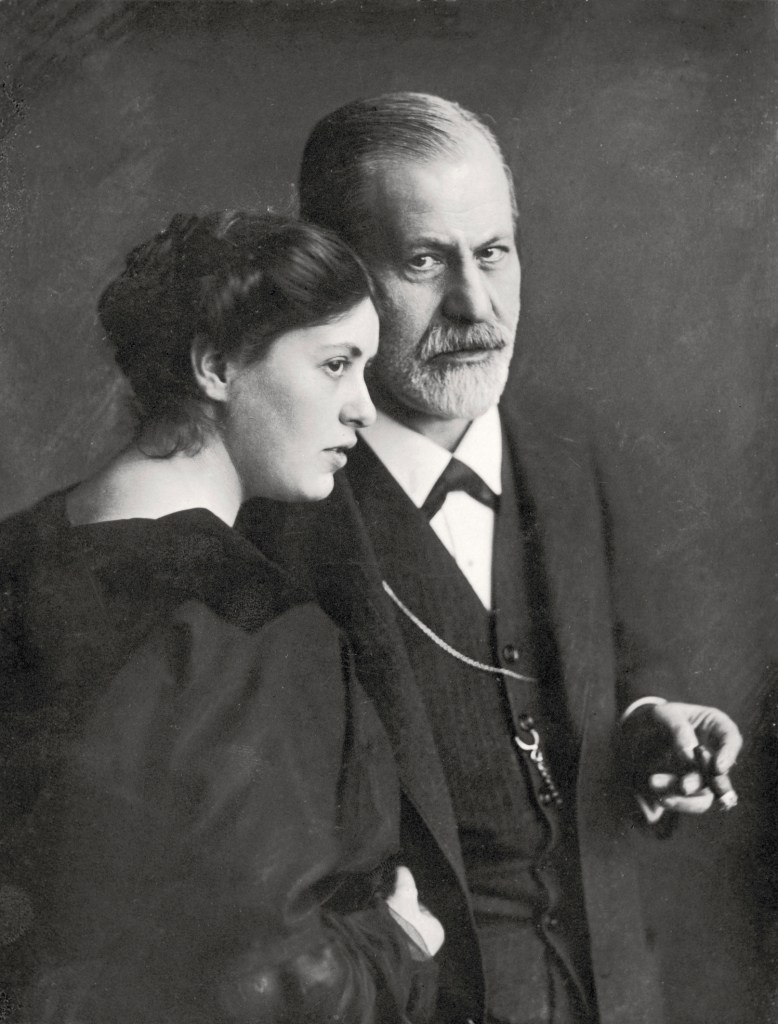
Early Divergences: Jung, Adler, and the First Splits
Freud’s ideas were influential but also controversial, leading to early theoretical divergences.
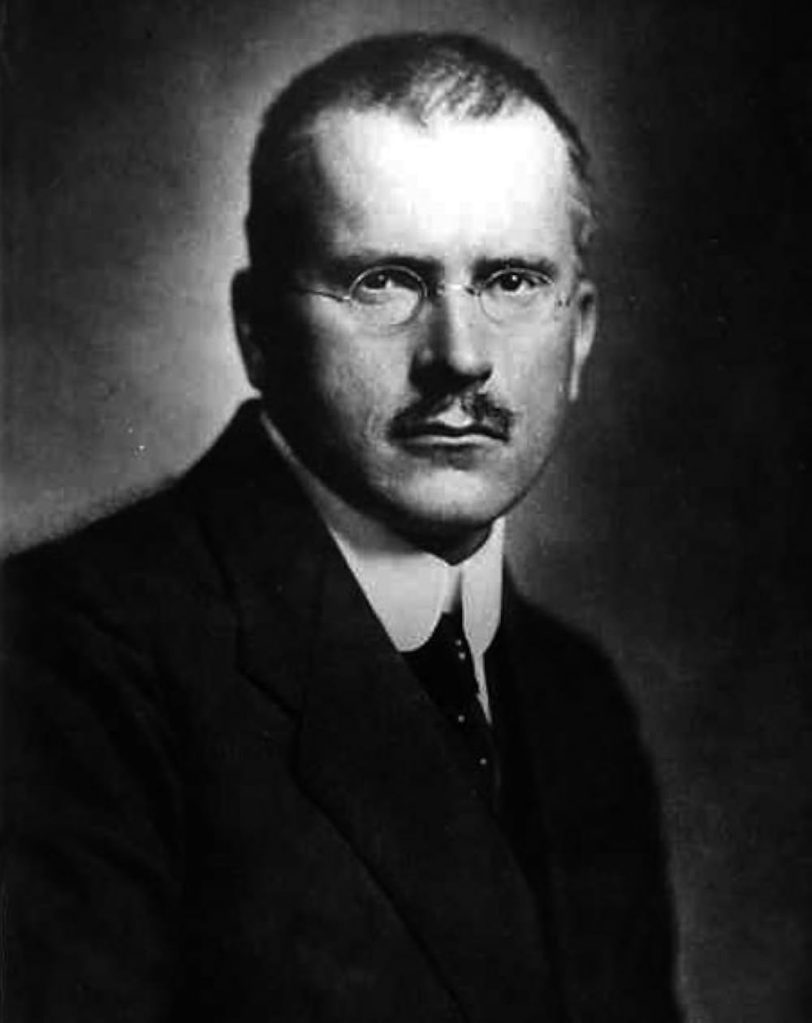
Carl Gustav Jung (1875–1961) developed Analytical Psychology, emphasising symbolic processes, archetypes, and the collective unconscious.
Alfred Adler (1870–1937) founded Individual Psychology, focusing on social context, feelings of inferiority, and striving for meaning.
These early splits marked the beginning of psychotherapy as a pluralistic field, rather than a single unified doctrine.
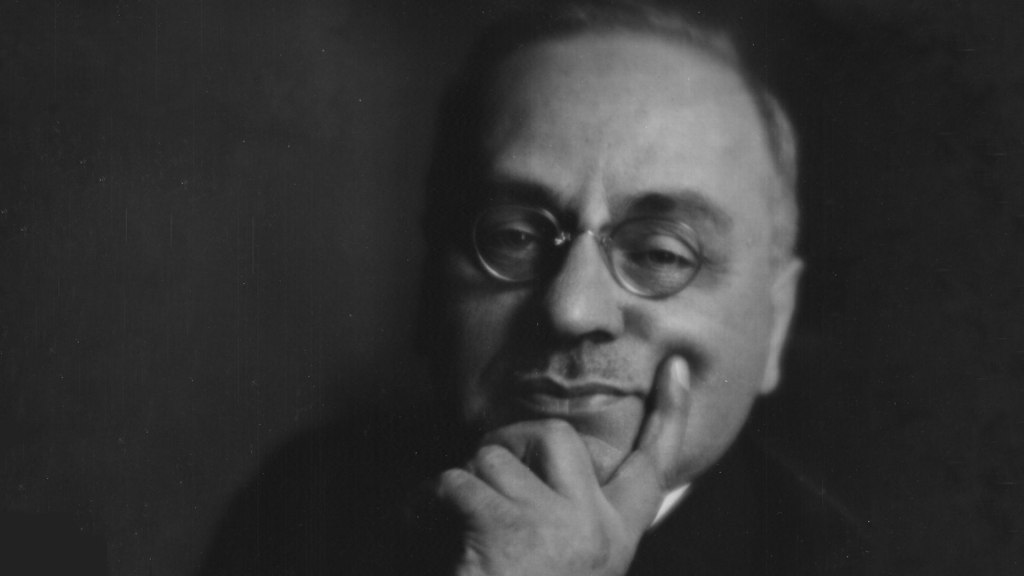
The British School and Object Relations Theory
Britain became a central site for psychoanalytic development during the twentieth century, particularly through the emergence of Object Relations theory.
Key figures included:
Melanie Klein (1882–1960), who emphasised early infantile relationships and internalised object worlds
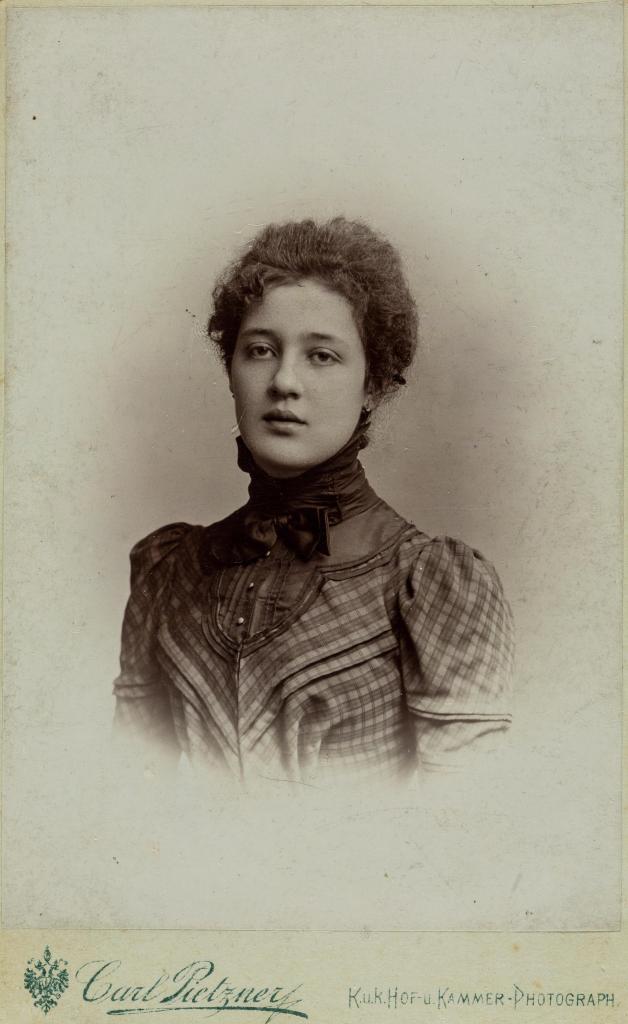
Donald Winnicott (1896–1971), known for concepts such as the true and false self, holding environment, and good-enough mother
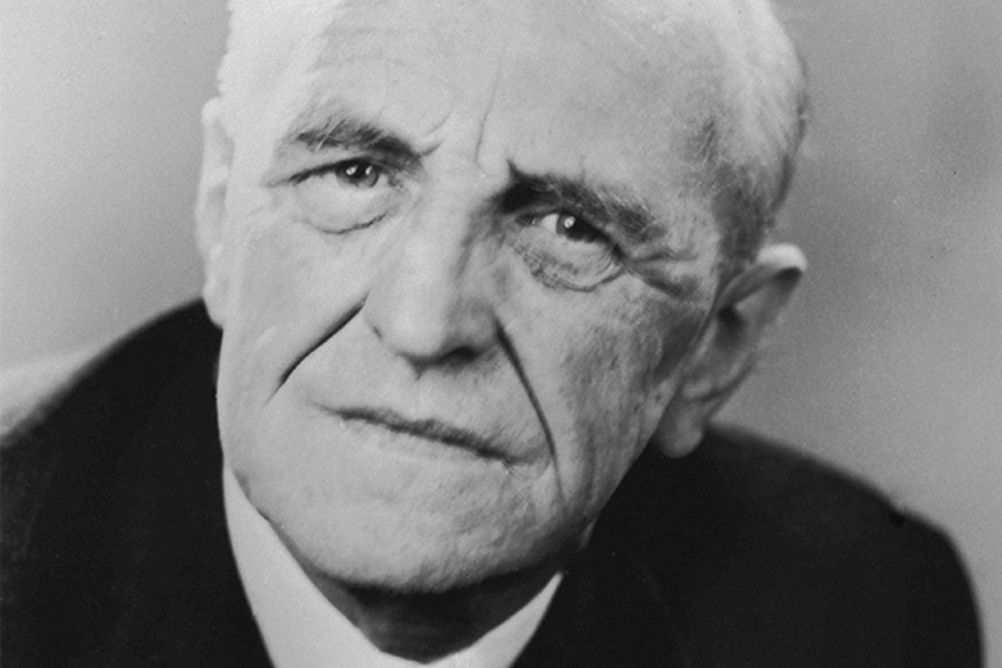
Wilfred Bion (1897–1979), who contributed influential ideas on thinking, containment, and group dynamics.

These theorists shifted psychoanalytic focus from instinctual drives toward early relationships and emotional development, profoundly influencing contemporary psychodynamic psychotherapy.
The Expansion of Psychotherapy Approaches
From the mid-twentieth century onwards, psychotherapy expanded beyond psychoanalysis into multiple orientations:
- Humanistic therapies (e.g. Carl Rogers’ Person-Centred Therapy)
- Behavioural and cognitive therapies, later integrated into CBT
- Existential psychotherapy, focusing on meaning, freedom, and responsibility
- Systemic and family therapies, examining relational systems rather than individuals in isolation
Despite these developments, psychodynamic ideas continued to inform clinical thinking across modalities, particularly regarding emotional depth, relational patterns, and unconscious processes.
Psychoanalysis and Psychotherapy in the NHS and Public Services
In the UK, psychoanalytic and psychodynamic psychotherapy became embedded within parts of public healthcare during the twentieth century. Specialist psychotherapy services developed within the National Health Service (NHS), offering longer-term and time-limited psychodynamic treatments.
Training standards, professional regulation, and ethical frameworks were shaped through organisations such as:
- The British Psychoanalytical Society
- The Tavistock Clinic
- The United Kingdom Council for Psychotherapy (UKCP)

Contemporary Psychodynamic Psychotherapy
Today, psychoanalysis and psychodynamic psychotherapy continue to evolve.
Contemporary practice integrates:
- Advances in developmental psychology
- Attachment theory
- Trauma-informed perspectives
- Neuropsychological research
While classical psychoanalysis remains a distinct discipline, psychodynamic psychotherapy has become more accessible, adaptable, and widely practised, both in-person and online, without abandoning its core principles.
A Living Tradition
Rather than being a historical relic, psychoanalysis represents a living clinical tradition, continuously refined through practice, supervision, research, and reflection. Its enduring relevance lies in its attention to emotional complexity, individuality, and the depth of human experience.
Over more than a century, psychoanalysis has shaped how psychological suffering is understood and treated. Modern psychotherapy, in all its diversity, continues to build upon this foundation.
Avenue Psychotherapy Services Copyright 2026

 Avenue Psychotherapy Services